Reduce NetSuite Implementation Cost for Better ERP Results
OpenTeQ Admin | Updated: Jun 18,2026
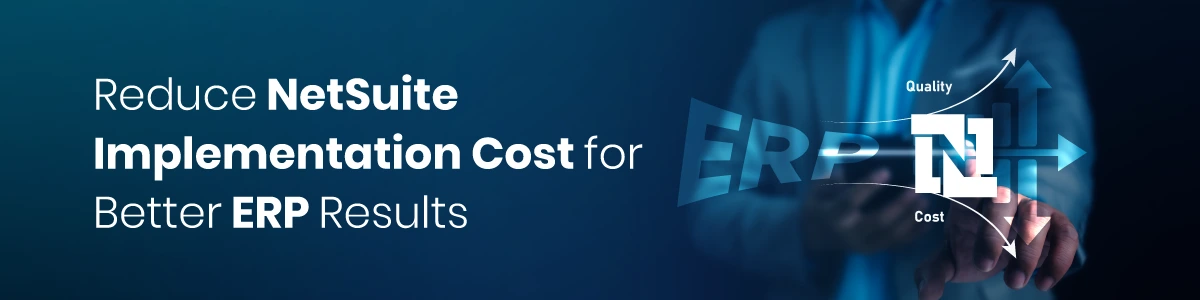
Implementing NetSuite can transform how your business runs, but the upfront netsuite implementation cost often makes companies hesitate. Many organizations end up paying more than necessary because they approach the project without a clear cost-control strategy. The good news is that with smart planning and the right decisions, you can significantly reduce netsuite implementation cost while still getting excellent results from your netsuite erp system.
1. Understanding NetSuite Implementation Cost
Netsuite implementation cost includes much more than just the software license. It covers consulting fees, data migration, customization, training, integration with other systems, and ongoing support. Many businesses are surprised by how these different pieces add up quickly.
The total investment varies widely depending on your company size, complexity of processes, and how much customization you need. Understanding what drives these costs is the first step toward controlling them effectively.
i. Breaking Down the Major Cost Components
License fees, implementation services, data migration, custom development, and user training are the biggest contributors. Each area offers opportunities to save money if approached thoughtfully.
2. Why NetSuite Implementation Costs Often Spiral
Many projects go over budget because of poor planning, unclear requirements, or excessive customization. Some companies try to replicate their old processes exactly in NetSuite instead of embracing the system’s best practices, which leads to unnecessary complexity and higher netsuite pricing.
Another common issue is underestimating the time and effort needed for data cleanup and user training. When these areas are neglected early on, they create expensive problems later in the project.
i. The Hidden Costs Most Businesses Miss
Internal team time, productivity loss during transition, and post-go-live support are frequently overlooked but can significantly impact the total netsuite implementation cost.
3. Smart Strategies to Reduce NetSuite Implementation Cost
The most effective way to control costs is through careful planning and realistic scoping. Start by clearly defining your must-have features versus nice-to-have ones. Focusing on core functionality first helps keep the project manageable and affordable.
Consider a phased implementation approach. Roll out NetSuite in stages rather than trying to do everything at once. This spreads out the cost and allows your team to learn and adjust as you go.
i. Choosing the Right Implementation Partner
Experienced NetSuite partners who understand your industry can help you avoid common mistakes and recommend cost-effective solutions. The cheapest partner is rarely the best choice — look for value and proven results instead.
4. Making the Most of NetSuite Pricing Models
Understanding netsuite pricing is crucial for cost control. NetSuite offers different licensing options based on users, modules, and usage. Choosing the right mix can save you thousands over the life of the contract.
Be honest about your current and projected user numbers. Over-licensing is expensive, while under-licensing creates problems later. A good partner can help you find the sweet spot.
i. Negotiating Better Terms
Don’t accept the first price you’re offered. Many companies successfully negotiate better netsuite pricing, especially when they have a clear implementation plan and understand their requirements well.
5. Reducing Customization Costs Without Sacrificing Value
Excessive customization is one of the fastest ways to inflate netsuite implementation cost. Instead of changing NetSuite to match your old processes, consider adapting your processes to leverage NetSuite’s built-in best practices.
This approach not only saves money but often leads to better long-term results. Focus customizations only on areas that provide genuine competitive advantage or are required for compliance.
i. Using Built-in Features Wisely
NetSuite has powerful native capabilities. The more you can use standard features, the lower your customization and future maintenance costs will be.
Reduce NetSuite implementation costs and achieve better ERP results with expert guidance, strategic planning, and efficient deployment practices.

6. Data Management Strategies That Save Money
Poor data quality is a silent budget killer in NetSuite implementations. Investing time upfront to clean and organize your data prevents expensive corrections later.
Consider using automated data migration tools and involving business users early in the data mapping process. Good data management also improves the accuracy and usefulness of your netsuite erp system.
i. Phased Data Migration
Migrating data in phases rather than all at once reduces risk and allows you to learn and improve with each stage.
7. Training and Change Management for Cost Efficiency
Many companies underestimate training costs and then face expensive productivity drops after go-live. A well-planned training program helps users adopt the system faster and reduces the need for ongoing support.
Focus on practical, role-specific training rather than generic sessions. This approach improves adoption rates and delivers faster returns on your NetSuite investment.
i. Creating Internal Champions
Identify and train key users who can support their colleagues. This reduces dependency on expensive external consultants after the initial implementation.
8. Leveraging Application Performance Monitoring Tools
Implementing strong monitoring from the beginning helps you identify and fix issues quickly. This proactive approach prevents small problems from becoming expensive emergencies later.
Good monitoring also provides valuable insights that help optimize system performance and control long-term operating costs.
9. Measuring Success and Ensuring Long-Term Value
Define clear success metrics before starting your NetSuite project. Track not just implementation costs but also improvements in efficiency, reporting speed, and user satisfaction.
Regular reviews after go-live help you identify optimization opportunities and ensure you continue getting maximum value from your netsuite erp investment.
Conclusion
Reducing netsuite implementation cost doesn’t mean cutting corners — it means making smarter decisions throughout the project. By planning carefully, focusing on business outcomes, choosing the right partner, and leveraging NetSuite’s built-in capabilities, you can achieve excellent results while keeping costs under control. A successful NetSuite implementation is an investment that pays dividends for years when approached thoughtfully. Companies that balance cost control with quality execution end up with a more efficient, insightful, and scalable netsuite erp system that truly supports their growth objectives. The key is preparation, realistic expectations, and a willingness to adapt processes where it makes good business sense.
Partner with our NetSuite specialists to optimize your ERP investment, streamline business processes, and maximize long-term return on investment.
Contact OpenTeQ Technologies Today!
Recent Posts
-
 NetSuite ERP Software for Manufacturing Companies: A Complete Guide to Streamlining Operations
Sep 22,2026
-
 Why Construction Companies Are Choosing NetSuite ERP in 2026
Sep 1,2026
-
 Certified NetSuite Consultants vs Freelancers: Which Is Better
Aug 25,2026
-
 A Complete Guide to NetSuite Application Development
Aug 18,2026
-
 Top Benefits of NetSuite Mobile Apps for Modern Businesses
Jul 27,2026
-
 What Is a NetSuite Vendor Portal and How Does It Improve Supplier Management
Jul 20,2026